


Japanese Cinema: Not For Everyone?!?

9 CommentsShareCategory:J-Cinema

Japanese Cinema: Not For Everyone?!?

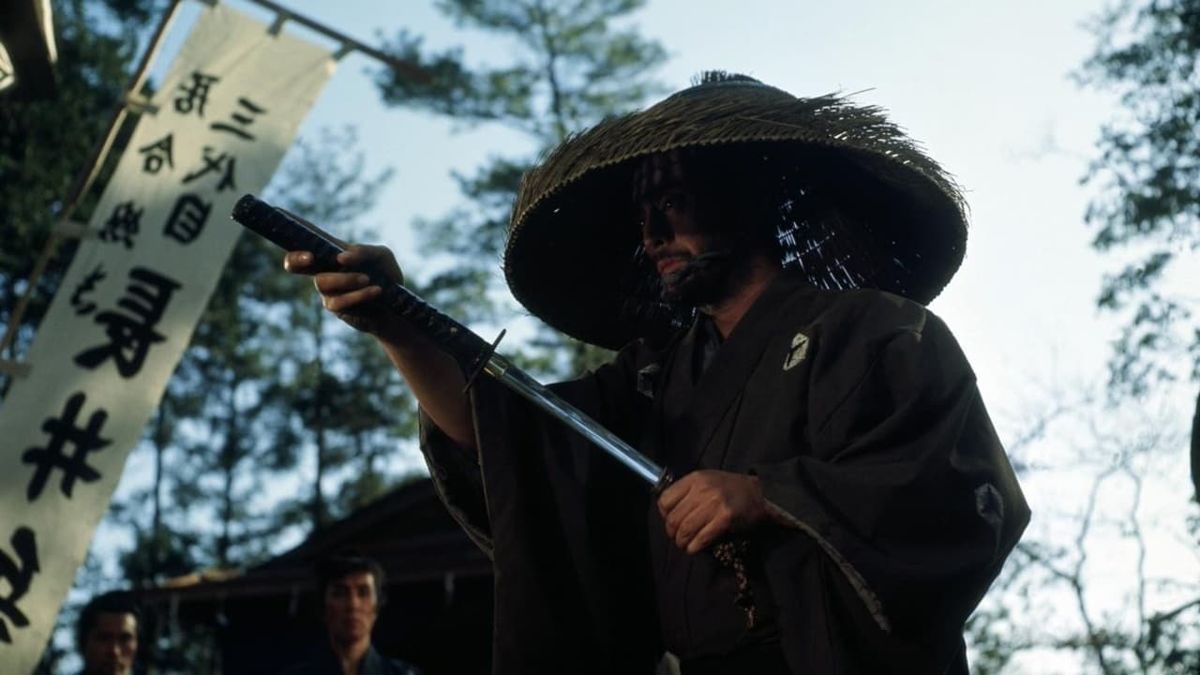
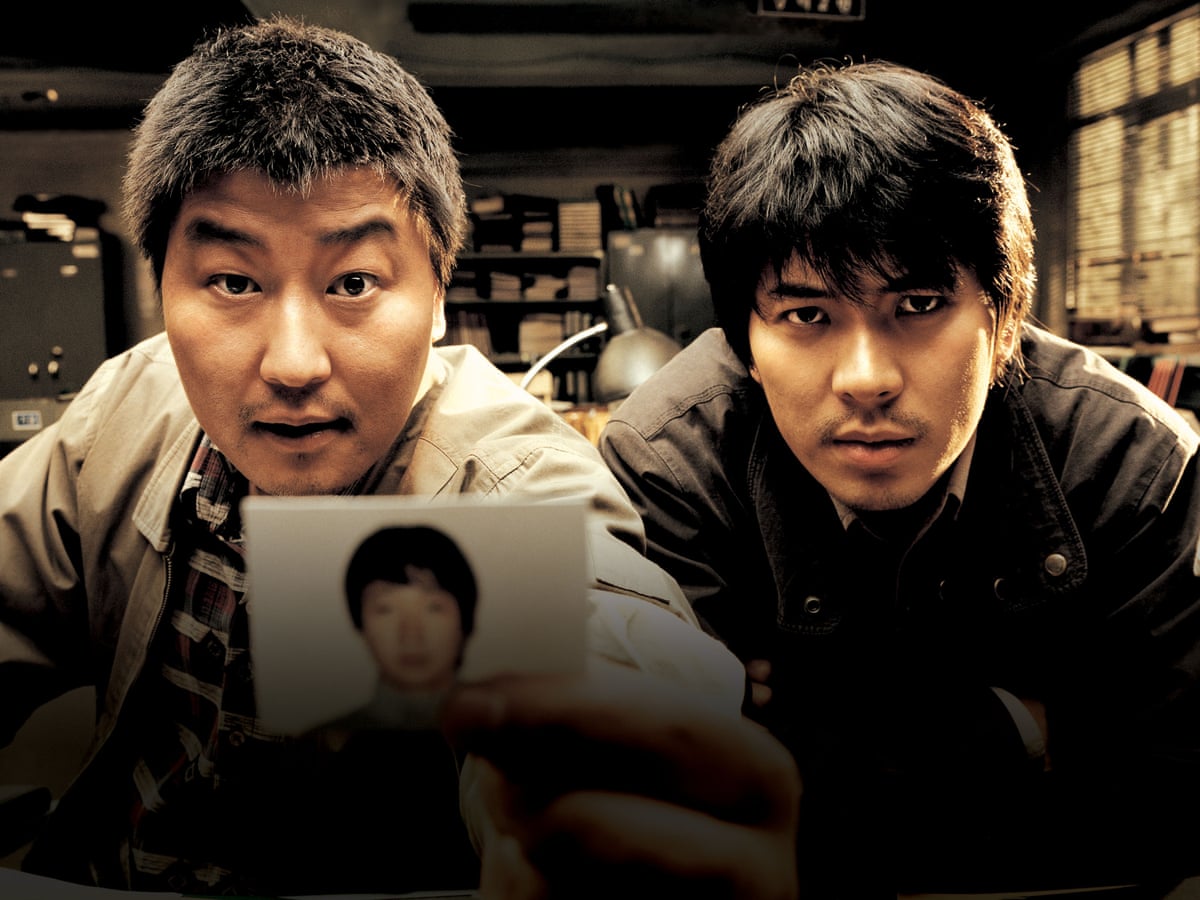
While reading articles, and discussions on the web, I often got the (bad?) impression Japanese Cinema (Asian Cinema as well) isn’t meant to be seen or known by everyone. There’s a sort of happy few feeling about this cinema.

Because it’s a foreign cinema, a different culture, some people tend to think, only the ones who understand it can watch it. Same goes when some people use specific asian terms that nobody else will understand (“Oh man, this kokusaku-eiga sucks!” for “This national policy film sucks!”). Why? But why such an elite behavior?

It seems the fans (us?) are the first to create a wall between people and, asian cinema for example. Which is a shame, isn’t it? Films are made to be seen!

That’s why I’d like to know, what do you think?


Share This!


Check Out These Articles

{ 8 comments… read them below or add one }

1 Matt February 19, 2009 at 9:14 pm

From my own experience I must admit I had big troubles at the beginning to find proper information about asian cinema because most was done for people who already knew about it. But now with internet it’s more open like on this website, midnighteye and plenty others. You should stop thinking like a french ! Seriously man !

Reply

2 Nova February 19, 2009 at 10:29 pm

Well, its interesting because i already thought about that question. Japanese cinema or Asian cinema is like any other cinema, its made to be seen. But I know that there is this sort of excitement and “happy feeling” about Japanese cinema because we know all, Japan as a such big popular culture and attract people with his music, manga, people, drama, etc.

On my own experience, and years of watching Japanese movies, I can know understand a lot more than at the beginning because we must admit, Japanese culture is complicated and lot different from any western culture. It need years and “experience” to understand this culture and it is what will make you understand more and more this cinema. I think its normal and it is the thing that will make the Japanese cinema being for everyone or not.

Still on my own experience, i clearly observed that with some friends who asked me some Japanese movies without knowing anything about Japanese culture. The result was exactly what I excepted. He missed a lot of things.

I would say that I’m agree with the fact that we (the fans), are the first to create a wall between people and, Asian cinema. I would say, yes its a shame but, I would say, is it a shame to understand the culture? Remember that is the most important thing in “understanding Japanese/Asian cinema”. And I would say, thats important for every cinema.

Reply

3 logboy February 20, 2009 at 8:54 am

language is a much bigger barrier than culture; language represents one initial barrier to people finding it easy to get a rounded understanding that will come gradually through snippets revealed within films. more importantly, aside from intentional barriers laid by fans, any non-American film culture simply seems illogical as a choice because it’s so relatively modest… “less is more” probably describes it, but it’s still not entirely going to explain other aspects such as the pleasures from the adventure into what perpetually remains largely a tantilising mystery however much experience and interest you have.

Reply

4 Chiko February 20, 2009 at 11:57 am

I would say you take the question the wrong way. Glorify language and culture is a nonsense, above all when it comes to cinema.

Reply

5 Adah Mark Ojoh March 9, 2009 at 2:38 pm

I have watched alot of movies even movies that was shot in Tokyo of hollywood and bollywood.But not popular with japanese films .I think chenese films are making far more impact than Japanesse films.

Reply

6 Amy June 17, 2009 at 9:13 am

I feel like we put a barrier ourselves when we try to get people to watch something, and they come up with reasons such as “isn’t there a dubbed version? i hate reading subs” or “wow, the Japanese are really weird” to “wow, this film is really slow.”

it was almost a similar experience when I went to the cinema to catch Crouching Tiger Hidden Dragon, and the “dude” sitting next to me was wondering when Jackie Chan would turn up, as well as the action in this “silly movie”.

It is obvious there are films for everyone in Japanese Cinema (an overall Asian Films), but the average English-speaker-Hollywood-movie-viewer would turn down anything that is not in English anyway. Countries that are not used to films being in their language (any Latin American country) are more used to subtitles anyway – they tend to have a more opened view of overall Asian films.

Perhaps the reason why Blood the Last Vampire is being done in English.

I have found out that Asian comedy is different (as it is with any country/culture), so I have had to adapt my humor. Things I didn’t find funny before are funny now… LOL – Many people find that a turn-off and just find Japanese plain weird.

Then there’s the people that Japanese is ONLY anime, and anime is just cartoons which is just for kids.

In the end, Asian Cinema is for everyone that is willing to have some connection with another culture. Whether you like to travel, like to read or listen to foreign music and speak another language.

Reply

7 Michael June 17, 2009 at 10:42 am

Via Twitter:

The “japanese film as entertainment for the Elite” is partly due to the way it was introduced to the western audience.

Reply

8 Patrick Galloway June 17, 2009 at 9:29 pm

In my own efforts to demystify and popularize Japanese cinema, I’ve come up against a number of issues that serve as barriers for mainstream film audiences.

1) Japanese culture tends toward specialization and complexity. There will inevitably be a certain percentage of Western audiences that simply can’t keep up with, say, a samurai film (as opposed a kung fu movie — everyone can understand a kick in the head). Maybe that sounds elitist, but it’s also the truth.

2) Japanese films tend to be made for Japanese audiences. Being a fairly homogeneous culture, occasionally things are left unexplained (such as aspects of history or social custom), on the assumption that the audience already knows these things. Consequently, a Western audience can easily (and understandably) become confused by these omissions.

3) Outside of the kaiju (giant monster) genre, Japanese films aren’t dubbed. This means reading subtitles, a factor that tends to turn off less committed audience members (particularly in the USA).

4) Because of the language barrier, there are less books available in English to help people become more acquainted with Japanese cinema, and of these, many are dry, academic works of little interest to film enthusiasts. This situation is gradually improving, however. Books by Patrick Macias, Chris D., Mark Schilling, Sharp & Mes, as well as my own stuff, are pulling back the veil from the rarified world of Japanese film, revealing how fascinating and entertaining these films really are.

With the help of fabulous websites like Wildgrounds, hopefully people will become more and more aware of Japanese film and sup with glee upon its exquisite offerings.

Reply

Leave a Comment

{ 1 trackback }

Previous post:

Next post: