


An Interview With Tom Mes!

9 CommentsShareCategory:J-Cinema

An Interview With Tom Mes!

In August ’08, Tom Mes (Midnight Eye‘s co-editor) accepted to answer some questions about his approach to Japanese Cinema:

Table of Contents

1 – How/When did you discover the Japanese Cinema?
2 – What is/what means the Japanese Cinema?
3 – Consideration of the Japanese Cinema around the World
4 – What needs to be improved?
5 – About the Japanese film industry
6 – Japan and foreign distributors
7 – Situation of the Japanese Cinema, in Japan
8 – Japanese movies and Festivals
9 – What are your favorites japanese movies?
10 – DVD and risky choices
11 – Example: Eiichi Kudo’s box
12 – What’s your point of view about retrospectives?
13 – The impact of a retro, example with Tomu Uchida
14 – A new market is coming for distributors
15 – Writing books, would you advise it?
16 – Difficulties while writing
17 – Books can change things?
18 – Point of view about the last Miike/Tsukamoto
19 – Internet, an alternative model
20 – Articles on the web can change things?
21 – Do you have any new projects coming?

How and When did you discover the Japanese Cinema?

I was born in Rotterdam, Holland. Ten days out of every year, Rotterdam is host to a truly magnificent film festival, but the rest of the year the city resembles a cinematic wasteland. It’s not easy getting to see anything but the latest Hollywood movies on the big screen. Thankfully, we did always receive foreign TV channels like the BBC, which is how I got my first tastes of Japanese film around the age of 9 or 10, with Seven Samurai and Yojimbo. Also, there was always a lot of interesting stuff to find on VHS – even neighbourhood video stores would stock foreign films, classics and even imports. Akira Kurosawa was certainly my first exposure to Japanese film, but I would never have watched them if I hadn’t already had an interest in Japanese culture. Like Mathieu Capel [French historian of cinema & translator - interview in french], I can’t really explain where that interest originates from, but it’s been there since my childhood. I was intrigued by martial arts, and any Western bastardization of Japanese culture, history or film would fascinate me – You Only Live Twice, the tv-series Shogun, Red Sun: basically just about anything with a ninja or samurai in it.

That was my childhood. Over the years that followed I could see a few other things, like Oshima’s Merry Christmas, Mr. Lawrence, and widen my view of Japanese film slightly. But the big change came with the arrival of the new generation that began to emerge in the early 1990s: Shinya Tsukamoto, Takeshi Kitano, Takashi Ishii, etc.. It was the Rotterdam Film Festival that exposed me to these films, and at first this was the only way to see them. Finding these films reawakened my dormant interest in Japanese film – an interest that became more about the films in their own right than about any image of Japan they tried to get across. From that point on I tried to watch more Japanese films at every edition of the festival and I gradually started to make sense of the incredible breadth and diversity of what was being made, not to mention the quality.

Top

For you, what is/what means the Japanese Cinema?

I guess it has meant different things at different times, ranging from pure exoticism to…. I’m not sure what it means to me today, if anything at all. Since the early nineties it has simply represented a seemingly inexhaustible source of great films and talented filmmakers. If I try to define it in any more detail than that, I would limit it too much.

Top

An Interview With Tom Mes!

How do you think the Japanese Cinema (old or new) is now considered around the World? What about the critics? The movie-goers?

As far as the general, non-specialist audience is concerned, it is still hampered by its presentation as “Japanese”: as soon as you present something as being Japanese, you evoke a set of preconceived images of what “Japanese” means. As a result, you’re always appealing to the same groups of people. This isn’t helped by the kind of marketing done by distributors and DVD labels, with catchphrases like “Asia Extreme” which only reinforce stereotypes. These strategies quickly become self-defeating, since you’re stuck with having to release films that fit into that bracket – a great film will go unseen because a distributor will have no clue how to pitch it to an audience, so they pick up a bottom-of-the-barrel horror quickie instead, just because it fits into the category. This way you lose even your established audience – how many crappy films are you going to buy with your hard-earned cash before giving up buying altogether?

In terms of the critics, auteurism and the canonisation of film history have resulted in an extremely narrow view of foreign, ie non-western, cinema. For decades, European and North-American critics saw Asian cinema as meaning Kurosawa, Mizoguchi and Ozu + Satyajit Ray. Those are only four filmmakers from two countries that in themselves have produced – and continue to produce – hundreds of films every year! There is also a form cultural superiority at play: just compare this narrow Asian cannon to the far wider cannons of French or American filmmakers and notice how off-balance the differences in number and scale are. These factors have prevented us from looking further and digging deeper, from studying the context and the environment that shaped these great filmmakers. To me it’s pointless to say that there is no need to look at Nikkatsu’s genre films because we already know that Seijun Suzuki is the best of the bunch: aside from the talent you may yet discover, you completely ignore the very unique production environment that was a vital influence in shaping Suzuki’s film. His talent is all his own, but Suzuki didn’t exist in a vacuum.

Top

For you, what needs to be improved?

It’s a paradox, but if we want the reception and recognition of Japanese films to improve in our neck of the woods, I believe we have to stop pitching them as being ‘Japanese’. That’s the only way to reach a wider audience: let the films speak for themselves, be judged on their own terms, alongside other films from around the world. Let them be films first and Japanese later. In that sense, generalist film festivals are far more useful than specialist festivals. I salute the growing number of Asian and Japanese film festivals – they are organised by really dedicated people with an obvious love for the films. But they are for the initiated. The discovery has to happen elsewhere and one of those places is the generalist film festival. We can largely rule out the role of TV, which in most countries has become so formatted and devoid of risk that seeing foreign films on TV has become a rarity.

Where does all this leave me, as a film critic specializing in Japanese film? I seem to violate my own rule, because all I write about is films that are ‘Japanese’. But I think the role that I and others fulfill is firstly to fill in the blanks, mapping out that uncharted territory, and secondly to provide the push for those that have made the discovery, to give them directions to begin exploring.

But then, none of this means anything if the Japanese film industry itself doesn’t cooperate. And there are certainly improvements to be made in that department!

Top

What do you mean by “doesn’t cooperate”? For example, you think about the lack of subtitles…?

There are unfortunately too many examples to name, but in general, large parts of the Japanese film industry have their mind entirely on the local market. On the one hand that means that large numbers of films are completely devoid of interest for Western viewers, all those vehicles for popular idols for example. On the other hand Japanese companies can be difficult to deal with when it comes to selling their films to foreign territories – the fact that certain Japanese films can’t be seen is not always to blame on Western distributors.

As for the issue of subtitles: there is no reason why a Japanese DVD release should carry subtitles in a foreign language. After all, we don’t put Japanese subtitles on our DVDs, do we? Still, it might help if the industry is more aware that they might ship a few extra copies if they add English subs. Especially on a film that has played abroad at festivals in subtitled copies – in that case the subtitles already exist.

Top

An Interview With Tom Mes!

In some interviews, I’ve seen that they can be really vicious like giving bad copies when they have remastered one! At the beginning I really thought it was a bad joke, but it seems serious!!

I think it’s stubbornness, rather than viciousness. A lot of it just has to do with the way Japanese organisations function. From what I understand, the problem you describe is actually fairly common among film distributors dealing with Japan. The result is of course that distributors and festival programmers become hesitant to acquire or show Japanese movies. In fact, I think that is one factor in the rise of Korean film over the past few years. While the Japanese were their stubborn old self, asking 1000 dollars for a single film screening, a festival could get several Korean films plus their directors for the same money, because Kofic would cover part of the cost.

Top

Speaking of Korean Cinema, people thinks it has slowdown (in terms of quality). Do you think Japanese Cinema is going through a same situation?

The factors that influenced the slowdown in Korea are really specific to that country’s situation. In Japan things are actually improving, industry-wise. Budgets are going up, there are more and better-equipped movie theatres and the market share of Japanese films is growing. One problem in Japan is that the middle ground has fallen away: the medium-budget genre films that counted on the video market to recoup their cost. But the demand for these films has lowered, and so have their budgets and their quality. Japanese cinema is getting increasingly polarized: you either work with a big budget, accepting all the accompanying restrictions (like idol starlets, strong influence from investors like TV channels and advertising agencies), or you make very low budget movies. As a result, it’s difficult for talented newcomers to progress to larger projects. But still the biggest problem in Japan is that a handful of companies own the vast majority of dsitribution and exhibition sectors. This means the majority of films are fighting over a minority of screens.

Top

You’ve done a lot of Festivals. Do you have any ideas how “japanese” movies are seen there? If it’s that easy to get one in a competition? For example, what do you think of the Venice 2008′s selection?

This year was quite peculiar, because there were a couple of films that people were expecting to go to Cannes, but that didn’t. Koreeda, Kawase and Hashiguchi all made new films, but they weren’t selected and now they’re not in Venice either. Kurosawa’s Tokyo Sonata deserved to be in competition in Cannes, but got relegated to a sidebar. But the Venice selection is not a bad score at all, with three films in competition.

As for how Japanese films are seen at festival, it fits into the general picture I painted earlier. One of the problems may be that only Kitano is seen as a genuine auteur and almost everybody else has been relegated to their own little niche territory in the minds of critics and festival programmers. Take Naomi Kawase: I have the impression that she is only appreciated when she confirms certain exotic stereotypes about Japan. But Kitano can do whatever he likes and still get his films seen widely.

Top

An Interview With Tom Mes!

What are your favorites japanese movies? Any advices?

It wouldn’t do much good to list my favourite films or directors, because most of them are familiar names – even a far less exposed name like Sogo Ishii will be familiar to anyone reading this. My advice would be to look beyond the established categories for Japanese cinema, especially at contemporary dramatic films like Strawberry Shortcakes, Moon and Cherry, Vibrator, Not Forgotten, Sex Is No Laughing Matter, Scoutman, Heart Beating in the Dark, and It’s Only Talk. And their directors, people like Ryuichi Hiroki, Hitoshi Yazaki, Yuki Tanada, Shunichi Nagasaki, Makoto Shinozaki, Masato Ishioka and Nami Iguchi.

Of course, there needs to be a way to watch these films, and that’s not always obvious. In France the entire distribution network for foreign, non-Hollywood cinema seems to be centered around what gets selected for Cannes. Anything that isn’t in a top festival doesn’t stand a chance of getting released. Take a film like Vibrator: it’s based on a novel that was translated into French and as far as I know the novel did quite well – so why some enterprising distributor doesn’t pick it up for release in France is beyond me. There are other ways to promote films than getting them into Cannes! The recent developments in manga fandom is opening up new avenues for the distribution of Japanese films, and while I find the whole phenomenon, again, too formatted and self-restrictive, it is succeeding in creating a model for a form of distribution that completely bypasses establish gatekeepers like festival programmers and film critics, which is a good thing. As a result, a very interesting film like Sakuran can get theatrical release in France – and I hope that’s just the beginning.

Top

Not only in France, but also in the US/UK too, it seems risky choices bring mainly bad results. Synapse Films, Panik House, Wild Side Vidéo… said they were disappointed by the results of Malformed men, Eiichi Kudo’s box… Do you think “japanese cinema” is too much known as “old movies”?

Much as I love the film, I don’t consider Malformed Men a very risky choice, because it fits quite snugly into the “crazy genre movies” bracket that the DVD market is so fond of. That it didn’t sell well probably has more to do with the general slump the DVD market is going through. I had the impression that the Kudo box came a bit too unexpected. Nobody knew Kudo, and I believe that’s still the case in spite of the DVD set. As gorgeous and brave as that DVD box may be, I fear there simply wasn’t enough awareness of Kudo for it to work. People need to know about something before they will buy it. Also, I think Mathieu Capel has a very good point when he talks about the problems of releasing a DVD box set of a little-known filmmaker – individual releases for lower prices make it a lot easier for a consumer to take a risk on a new discovery.

Top

You mean not enough reviews/writings about him?

Well, if you compare the Kudo case to Tomu Uchida or Mikio Naruse, who also had box sets devoted to them recently, then you can tell there was a lot less groundwork done for Kudo in terms of getting the films seen and publicised before the release of the DVD. Consumers won’t buy something they don’t know and journalists can’t write about films they haven’t seen.

Top

An Interview With Tom Mes!

What’s your point of view about retrospectives? Each years, there’s plenty of them around the world, do you think they help “changing” things? For example, what’s left of the ATG retro in 2003 (or any older event like that)? (NB: in France, there was a lot of great retro, but at the end, It always seems like nothing happened – Kato, Masumura, Nikkatsu, Suzuki…)

Some of them have an impact and others don’t. There doesn’t seem to be any clear reason why. I do agree with Mathieu Capel again when he says the Maison du Japon [=MCJP aka The Japan Foundation in Paris - official website], for example, is rather insular, and so their impact on the cinema landscape is minimal. It’s pretty rare for a film screening there to be sold out and the audiences tend to consist of older Japanese expatriates and bourgeois madames from Passy. I’m exaggerating of course – the MCJP’s programming is actually rather wonderful, but the Tomu Uchida retro they did several years ago had less impact in France than the one organised later by Tokyo Filmex on the other side of the globe!

But then, the same thing also goes for retros that were held elsewhere, including the Cinémathèque Française. Abroad it’s the same story. The ATG retro travelled to other countries, but like most retros the only palpable result is a beautiful catalog. You can’t really put a finger on what will have an impact and what won’t, but that’s certainly not a reason to stop organising retrospectives. But keep this in mind: we now seem to measure the lasting impact of a filmmaker in the number of DVDs sold, but Ozu and Kurosawa didn’t need DVD to become major figures. So let’s not overestimate the long-term importance of DVD releases in this context.

Top

About Uchida’s retro at Tokyo Filmex, what was precisely the impact?

It travelled to several other festivals and countries. It started off a close relationship with the Berlin film festival, who now habitually adopt Filmex’s annual Japanese filmmaker retros (Hiroshi Shimizu, Nobuo Nakagawa, Kihachi Okamoto, etc.). And it made Wild Side’s Uchida box set possible – because Filmex teams up with the rights holders of the films in order to make restored prints with English subtitles, which can then be shown and sold to other countries. This is the big advantage of organising a retro within Japan, whereas the Cinematheque or the MCJP, for example, have to borrow existing, old prints, so in most cases there is nothing for distributors to work with.

Top

Do you really think manga fan would be interested in japanese films (other than Death Note or a Miyazaki)? Recently in France, there was the JapanExpo, a huge event about asian cultures, and as far as I know, there was nearly nothing about cinema (Schroeder came to talk about Inju…) – not enough kawaii I guess.

It’s not so much the manga fans themselves that I expect to be the saviours of Japanese cinema, although some of them will doubtlessly develop a wider, more open-minded interest in Japanese culture. It’s rather that because of the existence of manga fandom, a handful of distributors (well, I think it’s only one at the moment) realise that there is a market out there which doesn’t need a Cannes selection and a great review in Liberation or Les Inrocks [french newspaper] to go and see a film. You can release a film because it’s based on a manga or because it’s “manga-like”. This way we’ve had theatrical releases of Shinobi, Death Note, Nana, and now Sakuran. Not all of those are particularly good films, but what is interesting is that they can be released. So if this model can work, why wouldn’t it be possible to apply the same method to adaptations of novels? The number of Japanese and Korean novels that are translated into French are quite exceptional compared to other countries, so there clearly is a solid and loyal market for them. Then by logical extension, there should also be a market for films based on those same novels. Tony Takitani and Im Sang-Soo’s The Old Garden were two examples, but I believe there is potential for more than just sporadic releases. If a smart distributor teams up with Philippe Picquier and starts targeting the readership of magazines like Elle and Marie Claire [both french female magazines], they will find a market for Japanese films nobody knew existed.

Top

An Interview With Tom Mes!

You wrote books on Tsukamoto and Miike too. Would you advice writers to write a book about japanese directors/movies?

I wouldn’t advise it to anyone, because if you want to do it right, it takes a lot of time and the financial returns are slim to say the least. You’d have to be either crazy or very determined. Or both, preferably.

Top

Did you encounter difficulties while writing them?

See above. Also, dealing with Japanese film companies can be frustrating. The directors themselves, on the other hand, have been incredibly helpful.

Top

Do you think you’ve helped with these books to give another point of view on these directors?

We’ll see what long-term impact they will have, but anyone who wants to write about Miike or Tsukamoto can’t ignore these two books. In the case of Miike the change is quite clear: movies that nobody knew existed before I wrote about them are now sold at your local Virgin Megastore.

Top

And what do you think of their last movies (unfortunately now in France, in the best case they’re straight to video – Tsukamoto was idolized and then, suddenly, nothing anymore!)?

They’ve both managed to embrace more commercial, bigger-budgeted filmmaking while remaining themselves, which is definitely an accomplishment. Their movies have remained really fascinating: Snake of June and Vital are superb; Izo, Sukiyaki Western Django and Big Bang Love will no doubt be recognized as the unique masterpieces they are in twenty years’ time.

The case of Tsukamoto in France is quite typical of what I wrote earlier about most Japanese directors being limited to categories – they get punished when they try to stray outside them. And this is not only true for genre directors, the same also goes for someone like Naomi Kawase. I guess Tsukamoto’s last few films weren’t Tsukamoto-esque enough for those who make the decisions about what gets shown in France. Maybe it will take Tetsuo III for people to take notice of him again.

Top

About your Midnight Eye’s experience. Do you think, nowadays, Internet has become a more important/interesting/easier place to speak/to promote movies and can be use as an alternative “model”?

Internet can hardly be called alternative anymore. Of course it has made a lot of things easier and it has greatly improved access to information and to films. But the Internet is its own medium. It can achieve things books and magazines can’t, but books and magazines both have their own unique qualities too. They all complement each other and anyone would be wise not to ignore any of them and the talent that works in each.

Top

An Interview With Tom Mes!

Do you think your writings on ME can be as influencials as your book about Miike?

We started the site in 2000 and in those eight years, a lot has changed in the situation and the presence of Japanese films around the world. There are a lot of factors that contributed to that change, like the wide acceptance of DVD and the breakthrough of a number of filmmakers and genres (Takashi Miike, Hideo Nakata, J-horror, etc.). I believe that one of those factors was Midnight Eye – maybe a minor factor, but one that’s had an impact nonetheless.

Top

Do you have any new projects coming?

A book I contributed to, Tokyolife: Art and Design, just came out from US publisher Rizzoli International. It’s big glossy tome about the current arts and cultural scene in Tokyo, for which I wrote the chapter on live-action film (my Midnight Eye cohort Jasper Sharp wrote about anime). There are a few other things waiting in the wings, but I don’t know yet when they will be ready for publication.

Thanks Tom Mes!
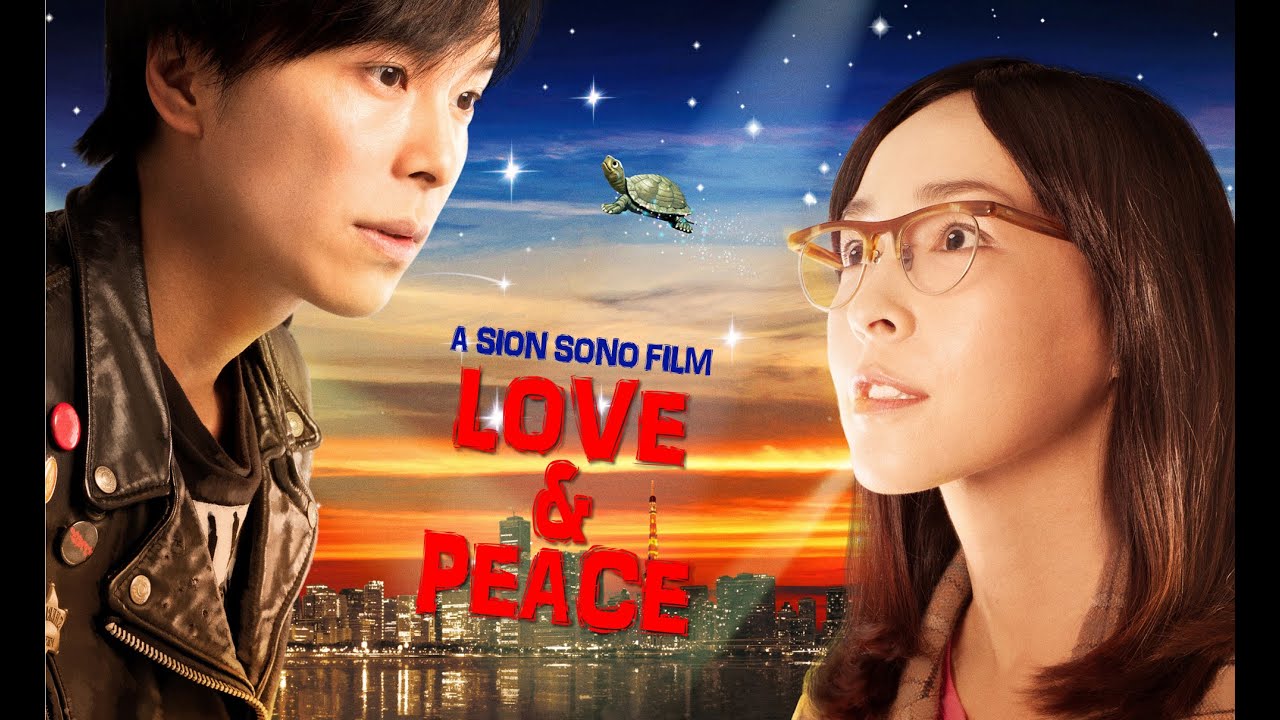
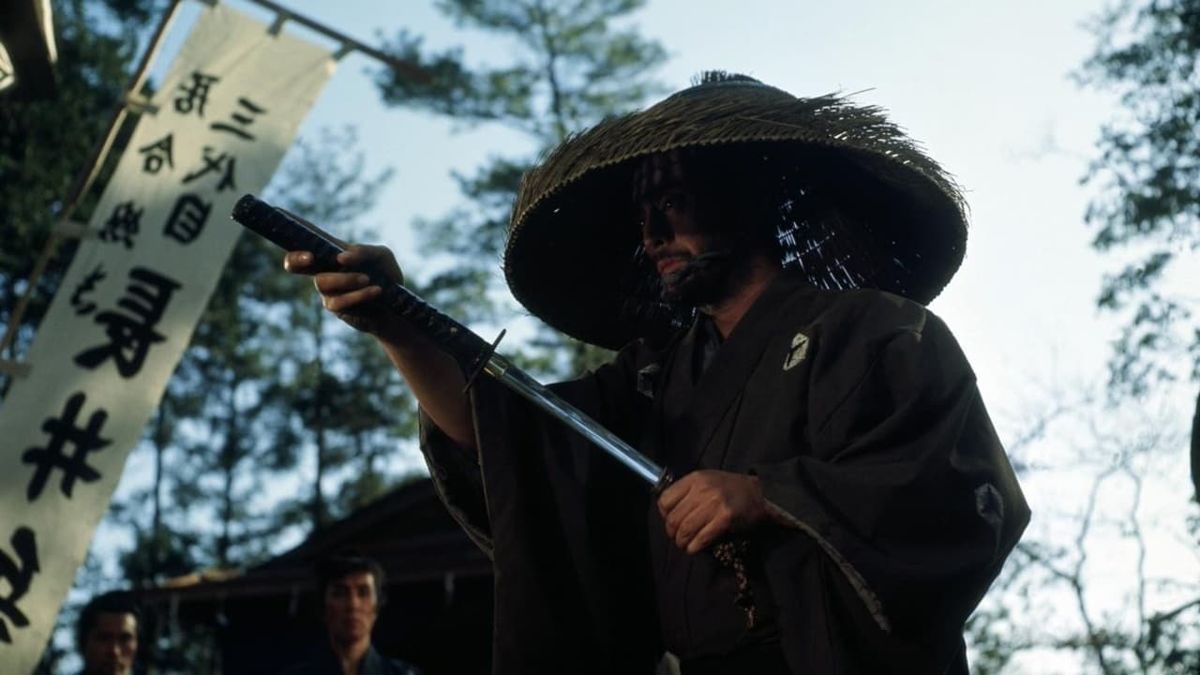
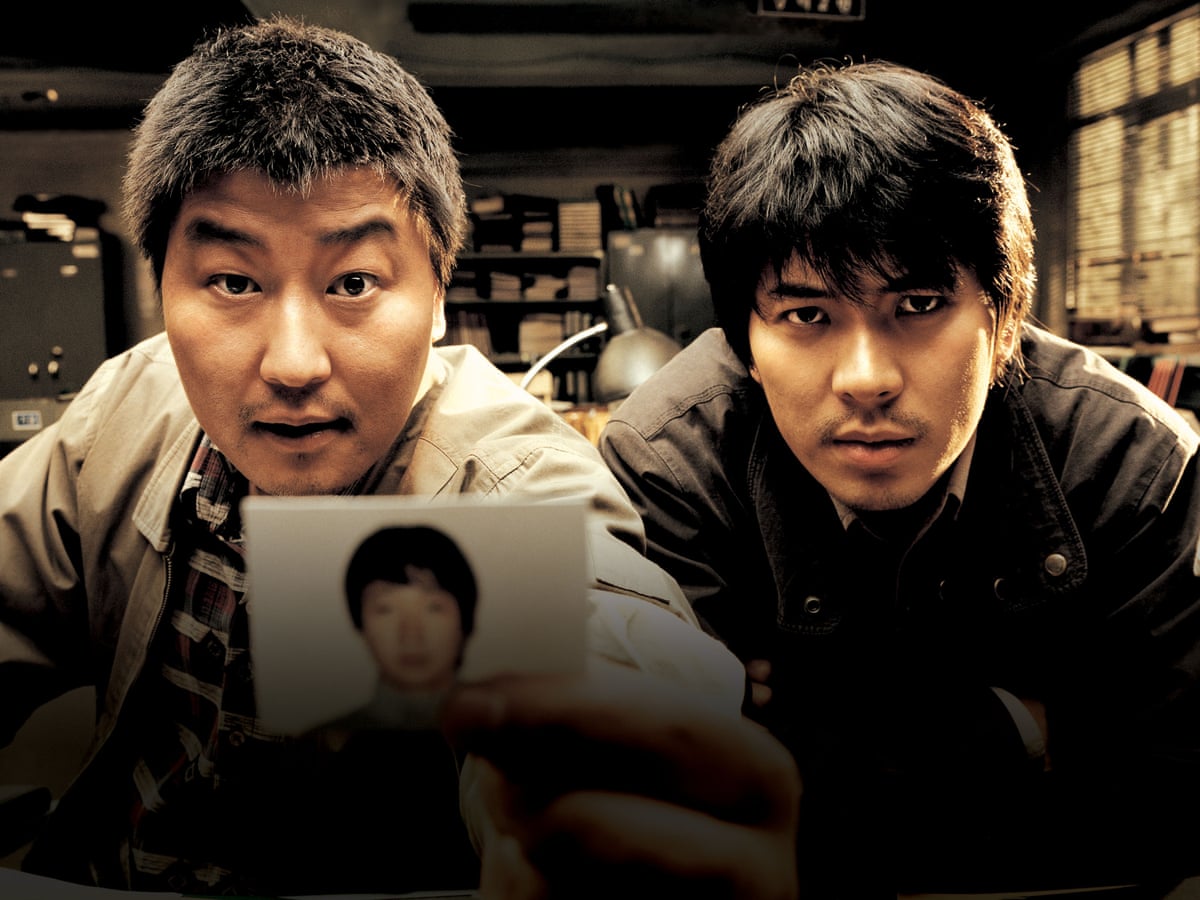
Images are some of T.M’s favorites movie stills. Do you recognize them?


Share This!


Check Out These Articles

{ 8 comments… read them below or add one }

1 Carcharoth August 7, 2008 at 7:49 pm

Bird people in china, en dernier un tsuka (bullet ballet ?)

Reply

2 Epikt August 7, 2008 at 7:50 pm

Très chouette tout ça, tu me permettras de l’inclure dans le recueil du cycle.

Il fait bien d’insister sur le fait que le cinéma japonais est, dans l’oeil du spectateur/critique/distributeur occidental, catégorisé – et pour finir stéréotypé. Mais on revient toujours au même constat, cf notre discussion sur le cinéma japonais en France.
(quand au fait que Kitano soit le seul dont la réputation permet d’éviter le boycott malgré son refus d’entrer dans l’image qu’on se fait de lui, c’est à relativiser : ‘Glory to the Filmmaker’ est distribué sur 4 copies seulement ! c’est toujours ça à prendre, mais ça montre bien que l’intérêt à son endroit est en déclin)
Sinon, pour ce que j’en connais ses conseils sont plein de bon sens.

PS : jouons avec les photos, tiens…
1/ Crazy Thunder Road (Sogo Ishii), 2/ Bird People in China (Takashi Miike), 3/ Le Visage d’un autre (Hiroshi Teshigahara), 4/ Kyoshin (Sogo Ishii, encore lui), 6/ Lady SnowBlood (Toshiya Fujita) et 7/ Bullet Ballet (Shinya Tsukamoto).
Me reste la cinquième, un vieux truc en noir et blanc forcément, sans aucun doute un classique éternel que j’ai pas vu.

Reply

3 Guillaume August 8, 2008 at 8:55 am

la derniere image c’est Akai Tenshi de Masumura

Reply

4 Carth August 8, 2008 at 11:34 am

La cinquième, je dirais =)

Reply

5 Guillaume August 8, 2008 at 12:09 pm

la derniere image pas trouvée aurais je du préciser

Reply

6 logboy August 8, 2008 at 7:28 pm

nice. tom usually stays very quiet in terms of speaking publicly online (outside of ME, that is) so it’s nice to get easy access to some words that reveal a little more behind the workings of his mind, his taste.

Reply

7 Gaor August 10, 2008 at 11:19 am

Mince, un bouquin sur Tsukamoto… Ça m’aurait bien plu en français. Je sais lire l’anglais mais pfff, quelle flemme !

Chouette interview en tout cas.

Reply

8 Gaor August 10, 2008 at 11:54 am

La dernière image c’est ‘Snake of June’ de Tsukamoto. On attend toujours sa sortie en DVD en France…

À l’époque “Dionnet”, on a eu les ‘Tetsuo’, ‘Tokyo Fist’ et ‘Bullet Ballet’ (le trio emblématique de Tsukamoto, même si j’ajoute sans hésiter ‘Gemini’, incroyable film de commande) mais depuis ‘Snake of June’ à l’Étrange Festival (en présence du réal’ et de Asuka Kurosawa), on n’a plus rien. Cela dit, ai-je vraiment envie de voir ‘Nightmare Detective’ ?… Et ‘Vital’ m’a ennuyé. :/

Reply

Leave a Comment

{ 1 trackback }

Previous post:

Next post: