


ค้นพบความสุขและความตื่นเต้นที่ไม่รู้จบในเกมสล็อตออนไลน์ยุคใหม่
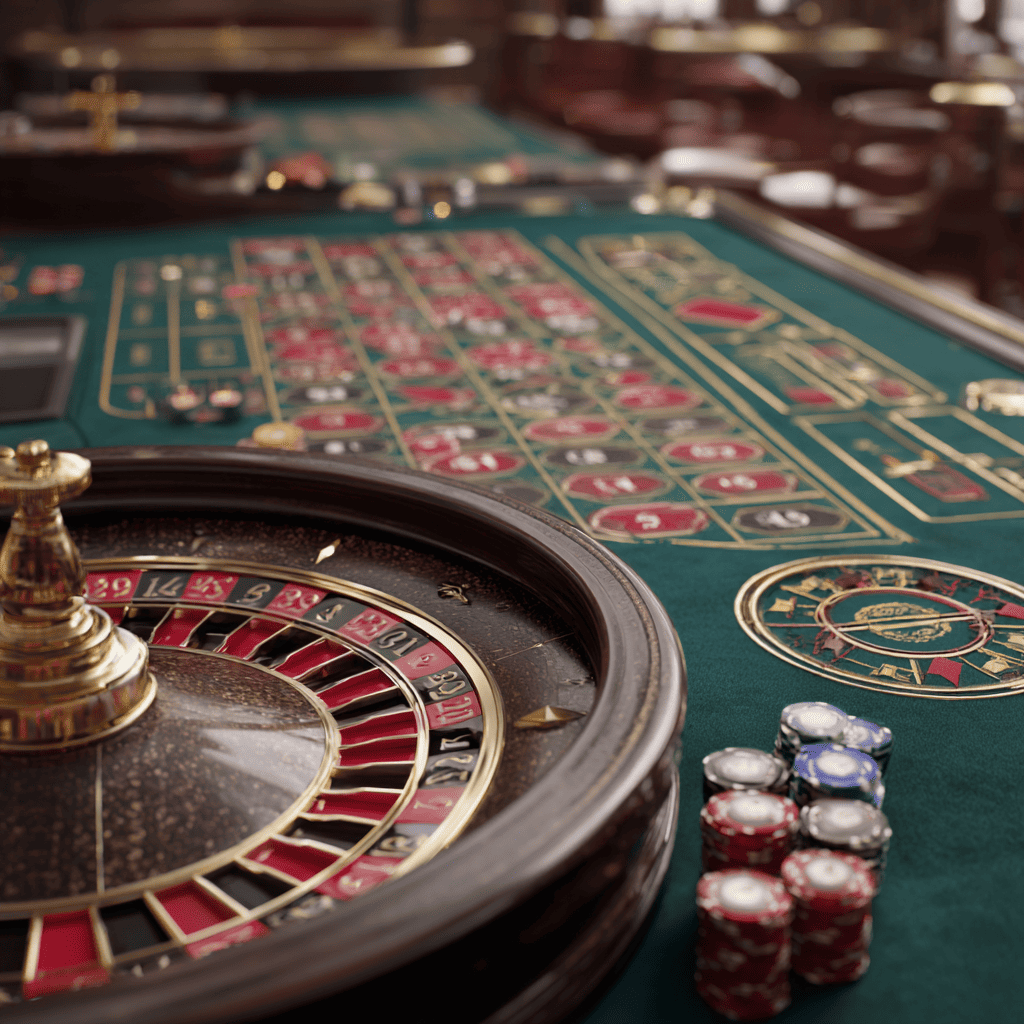
โลกของเกมสล็อตออนไลน์วันนี้ได้พัฒนาก้าวไกลเกินกว่าการกดปุ่มหมุนเดิม ๆ มันกลายเป็นประตูสู่จักรวาลแห่งความบันเทิงที่เต็มไปด้วยสีสัน เรื่องราวน่าติดตาม และความตื่นเต้นที่พร้อมจะมอบรอยยิ้มและความประหลาดใจในทุกการเล่น สำหรับผู้ที่ชื่นชอบประสบการณ์การเล่นเกมที่หลากหลาย การได้รู้จักเกมสล็อตยุคใหม่ก็เป็นอีกหนทางแห่งความสนุกที่น่าค้นหา ไม่ต่างจากการที่ผู้เล่นหลายท่านอาจเริ่มต้นจาก ทางเข้าสมัครบาคาร่าออนไลน์ ที่น่าเชื่อถือเพื่อสัมผัสความตื่นเต้นบนโต๊ะคาสิโน จากเครื่องกลสู่โลกดิจิทัล: ความสนุกที่ไม่เคยหยุดนิ่ง เกมสล็อตได้เปลี่ยนโฉมจากเครื่องจักรกลในคาสิโนจริงมาสู่ประสบการณ์ดิจิทัลที่สมบูรณ์แบบและเข้าถึงได้ทุกที่ ทุกเวลา ความก้าวหน้าทางเทคโนโลยีทำให้เกมเหล่านี้มีชีวิตชีวาด้วยกราฟิกที่สวยงามดุจภาพยนตร์ อนิเมชั่นที่ลื่นไหล และธีมเกมที่สร้างสรรค์หลากหลาย ไม่ว่าคุณจะหลงใหลในตำนานเทพนิยายกรีก เทพเจ้านอร์ส เรื่องราวแห่งขุมสมบัติในอียิปต์โบราณ หรือการผจญภัยในดินแดนแฟนตาซี ทุกการคลิกคือการพาคุณเข้าไปเป็นส่วนหนึ่งของเรื่องราวเหล่านั้น โดยมีโอกาสพบกับรางวัลสุดเซอร์ไพรส์ซ่อนอยู่ในการหมุนทุกครั้ง การเลือกสนามเล่น: รากฐานของประสบการณ์อันราบรื่น ก้าวแรกสู่ความสุขที่ยั่งยืนในโลกสล็อตออนไลน์ เริ่มจากการเลือกเล่นบนแพลตฟอร์มที่ให้ความสำคัญกับผู้เล่น ด้วยสล็อตเว็บตรงจากค่ายใหญ่ที่เป็นลิขสิทธิ์แท้ ไม่ผ่านเอเย่นต์ ซึ่งเป็นระบบที่กำลังได้รับความนิยมสูงในปี 2025 การเล่นในระบบเช่นนี้มอบความมั่นใจในหลายด้าน: ความปลอดภัยของข้อมูลและธุรกรรม ความโปร่งใสและความเป็นธรรมของเกมที่ใช้ระบบ RNG…